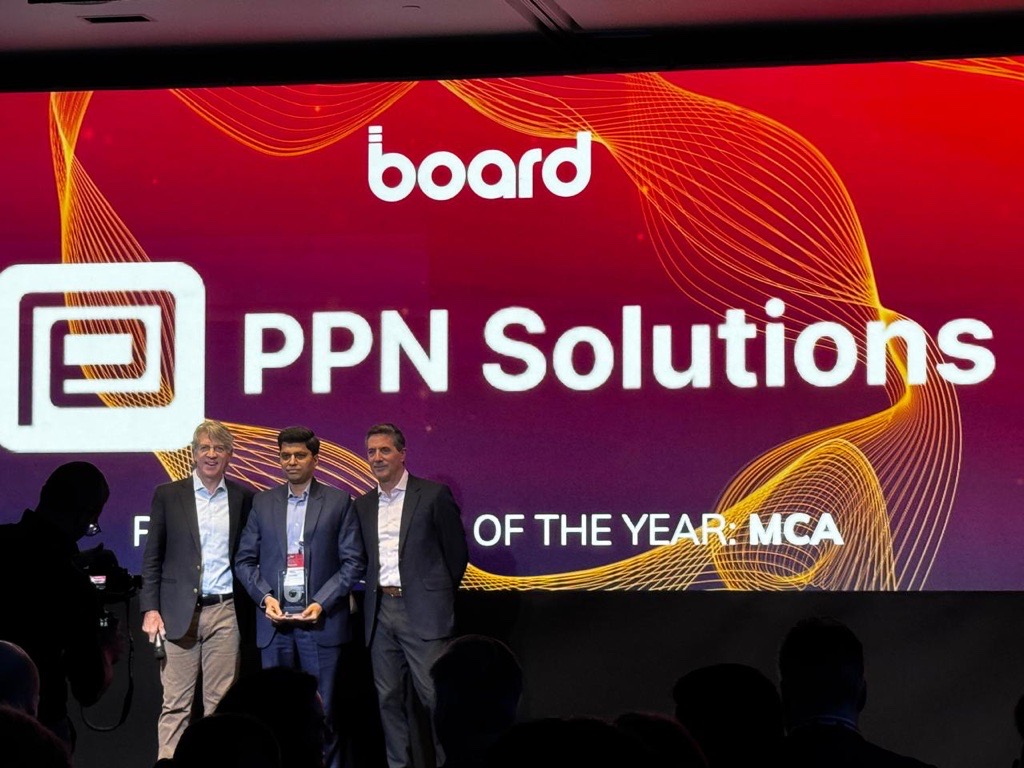
Awarded Best EPM Implementation Partner – MCA region at BOARD Global Partner Summit 2026
Didn’t find what you’re looking for? Let us know your needs, and we’ll tailor a solution just for you.



Human Resource teams today are expected to do far more than manage employee records. From improving employee experience to ensuring compliance and enabling data-driven decisions, HR leaders need tools that simplify operations while supporting business growth.
This is where Zoho People, the cloud-based HR management platform from Zoho Corporation, becomes a powerful solution. Designed for modern workplaces, it helps HR teams automate routine processes, improve visibility, and create a more connected employee lifecycle.
In this blog, we explore the top Zoho People features every HR leader should know — and how they can transform HR operations.
Traditional HR processes often rely on spreadsheets, emails, and disconnected tools. This leads to:
A unified HR platform helps organizations streamline workflows, automate processes, and provide real-time insights — all from one system.
A centralized employee database is the foundation of effective HR management.
HR leaders gain a single source of truth, reducing dependency on multiple files and improving data accuracy across teams.
First impressions shape employee engagement. Automated onboarding ensures a smooth transition from candidate to employee.
Managing attendance manually becomes complex as organizations grow or adopt hybrid work models.
HR teams gain accurate workforce visibility while minimizing payroll discrepancies.
Leave tracking is one of the most time-consuming HR tasks — especially with multiple policies.
Less administrative workload and improved transparency for employees.
Modern HR focuses on continuous performance rather than annual reviews.
Helps align employee goals with organizational objectives while enabling data-driven performance discussions.
Employees today expect autonomy and instant access to information.
Reduces repetitive HR queries and empowers employees to manage their own information.
Manual approvals slow down HR operations and create bottlenecks.
Faster decision-making and standardized HR processes across departments.
Data-driven HR is no longer optional — it’s essential.
Real-time analytics help leadership make informed workforce decisions instead of relying on assumptions.
Maintaining employee compliance records can be challenging without proper systems.
Reduces compliance risks and ensures HR documentation is always accessible.
One of the strongest advantages of Zoho People is its adaptability.
It supports:
HR leaders can configure modules based on organizational needs without heavy system complexity.
Instead of spending time on administrative work, HR teams can focus on:
Automation frees HR professionals to move from process managers to business enablers.
Modern HR leadership requires visibility, agility, and automation. Platforms like Zoho People enable organizations to simplify HR operations while improving employee experience across the entire lifecycle.
By leveraging features such as onboarding automation, attendance tracking, performance management, and HR analytics, businesses can build efficient, scalable, and future-ready HR functions.
For HR leaders looking to modernize operations, adopting a unified HR platform is no longer optional — it’s a strategic necessity.