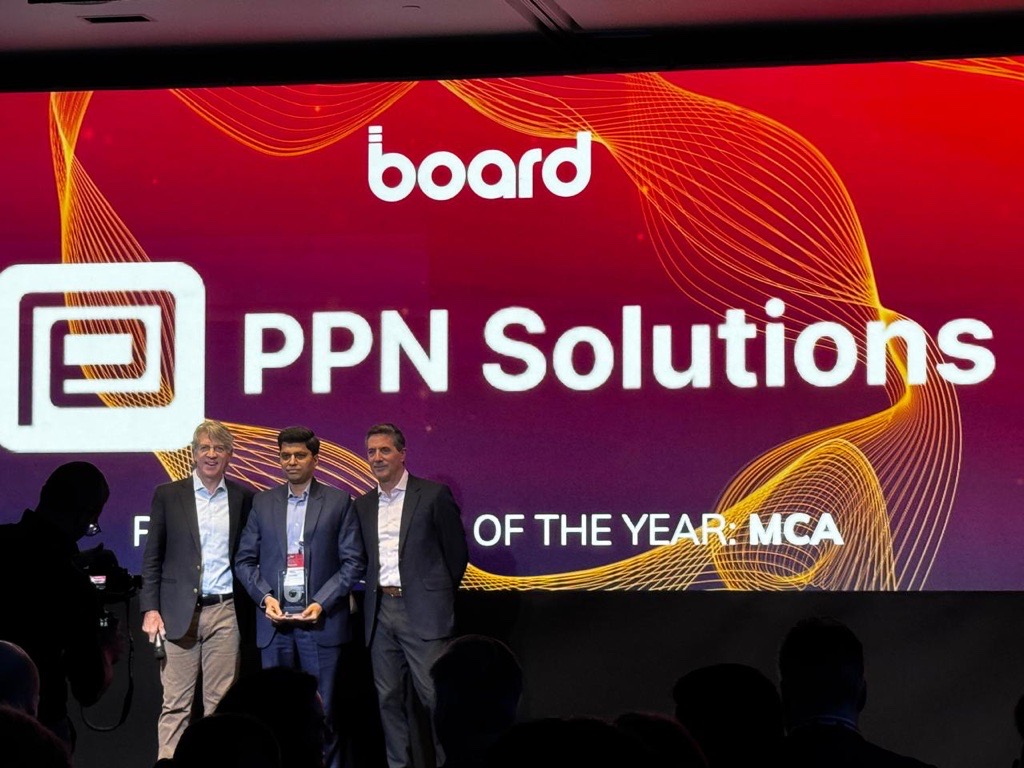
Awarded Best EPM Implementation Partner – MCA region at BOARD Global Partner Summit 2026
Didn’t find what you’re looking for? Let us know your needs, and we’ll tailor a solution just for you.



Intercompany transactions are a normal part of group structures, but reconciling them accurately is often one of the most complex tasks in the financial close process. Differences in timing, currencies, systems, and accounting practices across entities frequently lead to mismatches that delay closing and increase audit risk.
Intercompany reconciliation ensures that transactions between group entities are accurately matched and eliminated during consolidation. When not managed properly, it can result in unexplained variances, manual adjustments, and a lack of confidence in group financial statements. This blog explores the most common intercompany reconciliation challenges and practical ways to solve them.
Intercompany reconciliation is the process of matching and validating transactions between related entities within a group. These transactions can include intercompany sales, cost allocations, loans, interest, dividends, and shared services.
The goal is to ensure that intercompany balances and transactions are consistent across entities and eliminated correctly during consolidation, resulting in accurate group-level financial reporting.
As organizations grow and expand across regions, intercompany activity increases in volume and complexity. Multiple ERP systems, decentralized finance teams, and varying local regulations make reconciliation difficult to manage using manual methods.
Without a structured approach, finance teams often spend excessive time investigating differences rather than analyzing financial performance.
One of the most frequent challenges is timing differences. One entity may record a transaction in a different period than its counterparty due to cut-off issues, delayed postings, or local closing timelines.
How to solve it:
Standardize intercompany cut-off procedures and enforce consistent posting timelines across entities. Using automated reconciliation tools helps flag timing differences early and track them to resolution.
Different entities often use varying chart of accounts, cost centers, or transaction descriptions. This lack of standardization makes it difficult to match intercompany transactions accurately.
How to solve it:
Implement a standardized chart of accounts or mapping rules across entities. Centralized master data management ensures consistency and simplifies transaction matching.
Many organizations rely heavily on spreadsheets to reconcile intercompany balances. Manual data extraction, matching, and adjustments increase the risk of errors and make the process time-consuming.
How to solve it:
Automate intercompany reconciliation using dedicated tools or ERP-integrated solutions. Automation reduces manual effort, improves accuracy, and speeds up the close process.
Intercompany transactions across regions often involve multiple currencies. Differences in exchange rates, revaluation timing, and translation methods can create reconciliation variances.
How to solve it:
Define clear policies for exchange rate usage and revaluation timing. Automating currency conversion and reconciliation helps reduce discrepancies and ensures consistency across entities.
In many organizations, it is unclear who owns specific intercompany balances. Limited visibility into open items and unresolved differences leads to delays and finger-pointing between entities.
How to solve it:
Assign clear ownership for intercompany accounts and transactions. A centralized reconciliation platform provides transparency, tracks open items, and assigns accountability for resolution.
As transaction volumes increase, manual reconciliation becomes unsustainable. High-volume environments make it difficult to identify exceptions and focus on material issues.
How to solve it:
Use rule-based matching and exception management to automatically reconcile high-volume transactions. Finance teams can then focus on investigating true exceptions rather than routine matches.
Incomplete or poorly documented intercompany reconciliations increase audit scrutiny and compliance risk. Auditors often require clear evidence of reconciliation and elimination controls.
How to solve it:
Maintain proper audit trails, documentation, and approval workflows. Automated reconciliation tools help enforce controls and provide clear visibility into reconciliation status and history.
To overcome these challenges, organizations should adopt the following best practices:
When intercompany reconciliation is well managed, organizations experience significant benefits, including:
Intercompany reconciliation is often one of the most time-consuming and error-prone areas of financial close. Manual processes, inconsistent data, and lack of visibility make it difficult to achieve timely and accurate reconciliation at scale.
By standardizing processes, assigning clear ownership, and leveraging automation, organizations can overcome common intercompany reconciliation challenges and build a more efficient, controlled, and reliable close process. Investing in the right tools and practices not only improves reconciliation accuracy but also strengthens overall financial governance.