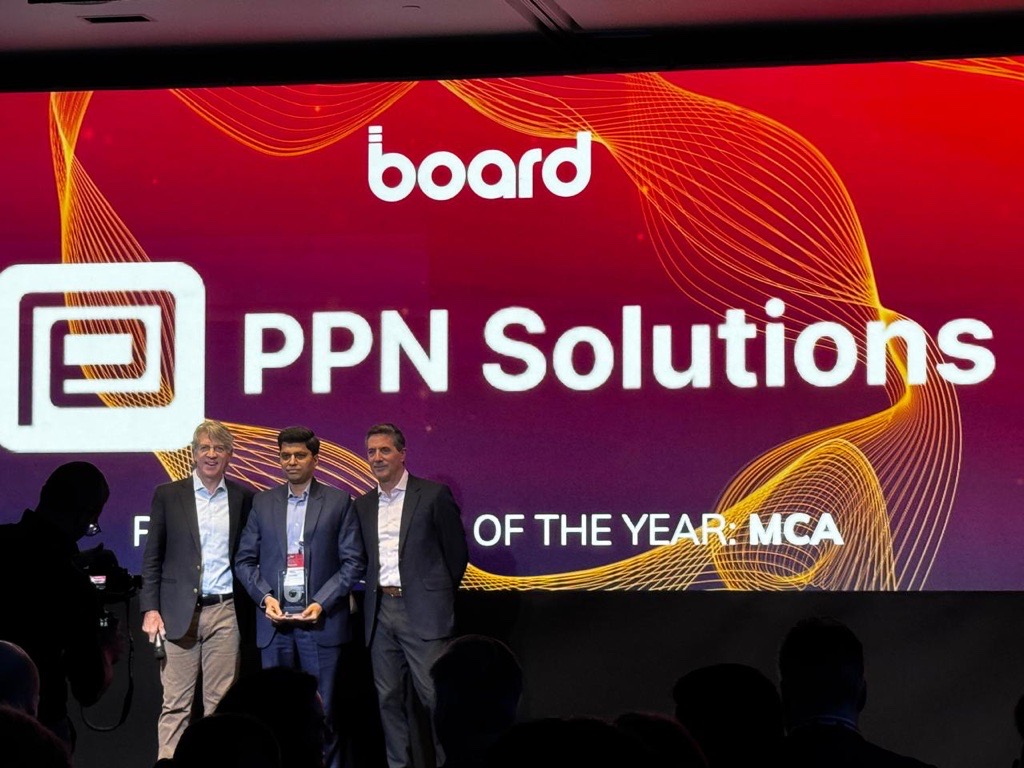
Awarded Best EPM Implementation Partner – MCA region at BOARD Global Partner Summit 2026
Didn’t find what you’re looking for? Let us know your needs, and we’ll tailor a solution just for you.



Human Resource teams today manage much more than just employee records. From hiring and onboarding to attendance, performance tracking, and payroll coordination, HR processes have become more complex as organizations grow. This is where Zoho People helps businesses manage their workforce in a structured and efficient way.
However, simply purchasing HR software is not enough. A proper implementation is essential to ensure the system works smoothly and supports your organization’s HR processes. This guide explains everything businesses need to know about Zoho People implementation.
Zoho People is a cloud-based HR management system that helps businesses manage employee data, attendance, leave, performance reviews, and HR workflows from one platform. It helps HR teams reduce manual work and maintain accurate employee records.
Organizations of all sizes use Zoho People to automate HR operations and improve employee experience.
A well-planned implementation ensures that the system matches your company’s HR policies and workflows. Without proper configuration, businesses may struggle to use the platform effectively.
A structured implementation helps organizations:
Proper implementation ensures that HR teams can fully benefit from the platform.
The first step is to understand the company’s HR structure, policies, and processes. This includes identifying requirements such as employee data fields, attendance rules, leave policies, and approval workflows.
This stage ensures the system is configured according to real business needs.
Once requirements are defined, the platform is configured accordingly. This may include:
Proper configuration ensures the system reflects how the organization operates.
Existing employee data is migrated from spreadsheets or legacy systems into Zoho People.
Data migration usually includes:
Ensuring accurate data migration is critical for smooth operations.
Many businesses connect Zoho People with other applications such as payroll, accounting, or collaboration tools.
For example, it can integrate with other solutions from Zoho Corporation to create a connected business ecosystem.
Before going live, the system should be tested to ensure all modules work properly. HR teams verify workflows, leave requests, approvals, and reporting features.
This step helps identify issues early and ensures a smooth launch.
User training is an important part of successful implementation. HR teams and employees should understand how to use the platform for tasks such as applying for leave, updating profiles, or viewing attendance records.
Training ensures higher adoption across the organization.
During implementation, organizations can configure several modules, including:
These features help HR teams automate routine tasks and focus on strategic initiatives.
A well-implemented HR system delivers several advantages:
Automation reduces manual work related to employee records, leave management, and approvals.
Centralized employee information improves data consistency and reduces errors.
Employees can access their information, apply for leave, and track attendance through self-service features.
Built-in reports help HR teams monitor workforce trends and make better decisions.
As companies expand, Zoho People can support additional employees, locations, and HR processes.
Organizations sometimes face challenges such as:
Working with experienced implementation partners can help overcome these challenges.
Implementing Zoho People is a valuable step for organizations looking to modernize HR operations. With the right planning and configuration, businesses can automate HR workflows, improve employee experience, and gain better visibility into workforce data.
A structured implementation ensures that the platform delivers long-term value and supports the evolving needs of the organization.