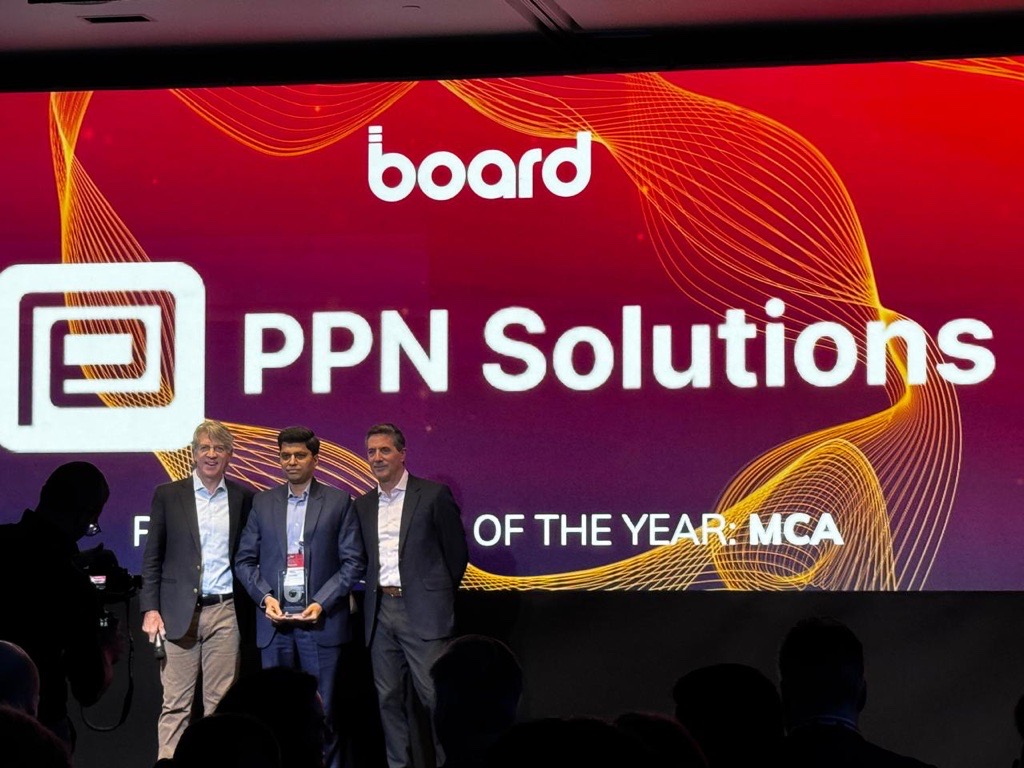
Awarded Best EPM Implementation Partner – MCA region at BOARD Global Partner Summit 2026
Didn’t find what you’re looking for? Let us know your needs, and we’ll tailor a solution just for you.



Getting the right products to the right location at the right time is one of the biggest challenges in inventory and supply chain management. Poor planning can result in empty shelves, excess stock in warehouses, and lost revenue.
This is why allocation and replenishment planning plays an important role in retail and supply chain operations. It helps businesses distribute inventory across locations based on demand and ensure products are replenished when stock levels fall.
When the process is managed well, companies can maintain optimal inventory levels, reduce operational costs, and improve customer satisfaction.
Below are five practical strategies businesses can use to improve allocation and replenishment planning.
Accurate demand forecasting is the foundation of effective allocation and replenishment planning. Businesses should analyze historical sales data, seasonal demand patterns, and market trends to predict future demand.
Better forecasting helps organizations:
Using advanced planning tools and analytics can significantly improve forecast accuracy and support better inventory decisions.
Different products require different inventory strategies. Treating all products the same often leads to inefficient allocation.
Businesses should classify products based on factors such as:
For example:
Product segmentation helps ensure that inventory is allocated where it is needed the most.
Manual planning processes can slow down operations and increase the risk of errors. Automated replenishment systems help businesses maintain optimal stock levels without constant manual intervention.
These systems can:
Automation not only improves efficiency but also helps businesses respond quickly to changing demand conditions.
Allocation and replenishment planning should not happen in isolation. It needs to be aligned with procurement, warehouse operations, and sales planning.
Better alignment helps businesses:
Using integrated planning systems allows different teams to access the same data and make more informed decisions.
Regularly monitoring inventory performance is essential for improving allocation and replenishment strategies.
Important metrics to track include:
Analyzing these metrics helps businesses identify inefficiencies and continuously refine their planning processes.
Strong allocation and replenishment planning ensures that inventory is distributed efficiently and replenished at the right time. Businesses that focus on better forecasting, product segmentation, automation, and performance tracking can significantly improve inventory management.
By implementing these strategies, organizations can reduce costs, improve product availability, and create a more efficient supply chain.