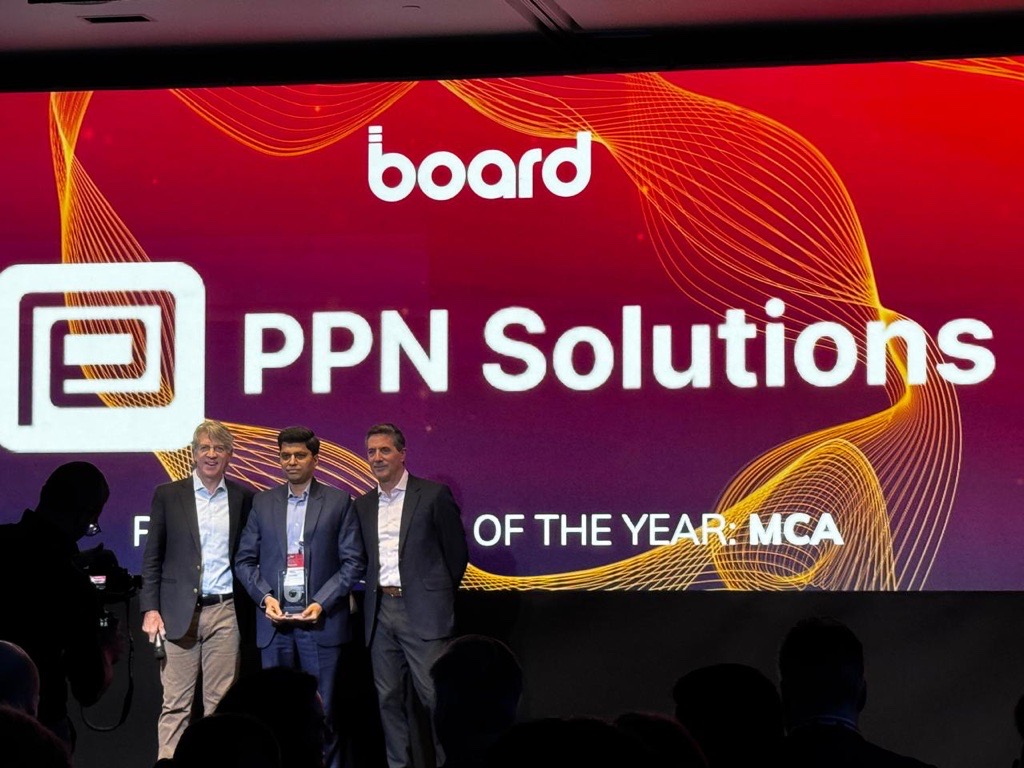
Awarded Best EPM Implementation Partner – MCA region at BOARD Global Partner Summit 2026
Didn’t find what you’re looking for? Let us know your needs, and we’ll tailor a solution just for you.



Are you tired of losing sales due to stockouts, frustrated with the time and resources wasted on manual inventory management, and struggling to balance inventory levels and meet customer demand? Mastering stock replenishment in retail is the key to solving these problems.
But it can be a daunting task, especially for retailers with complex inventory management systems. By implementing effective stock replenishment strategies, retailers can improve customer satisfaction, reduce costs, and increase efficiency
In retail planning, replenishment refers to the process of restocking inventory to maintain a desired level of stock. It involves monitoring inventory levels, identifying when stock needs to be replenished, and placing orders to restock products. Replenishment is an ongoing process that helps retailers to meet customer demand, reduce stockouts, and minimize overstocking.
There are several types of replenishment in retail, including:
This involves continuously monitoring inventory levels and replenishing stock as needed, often in real-time. This approach is ideal for fast-moving products or those with high demand variability. Continuous replenishment helps to minimize stockouts and overstocking, ensuring that products are always available to meet customer demand.
This involves replenishing stock at regular intervals, such as weekly or monthly. Periodic replenishment is often used for products with stable demand and predictable sales patterns. This approach can help retailers to reduce inventory holding costs and optimize their supply chain.
This involves replenishing stock just in time to meet customer demand, often using a pull-based system. JIT replenishment aims to minimize inventory holding costs and reduce waste by only stocking what is needed when it is needed.
his involves partnering with suppliers to manage inventory levels and replenishment. Vendor-managed replenishment allows suppliers to take ownership of inventory management, reducing the retailer’s workload and costs.
There are several stock replenishment methods that retailers can use, including:
This involves manually monitoring inventory levels and placing orders to restock products. Manual replenishment can be time-consuming and prone to errors, but it can be effective for small retailers or those with simple inventory management needs.
This involves using technology, such as inventory management software, to automate the replenishment process. Automated replenishment can help retailers to streamline their inventory management, reduce errors, and improve efficiency.
This involves using data analytics and machine learning algorithms to optimize replenishment decisions. Data-driven replenishment takes into account historical sales data, seasonality, and other factors to predict demand and adjust inventory levels accordingly.
This involves combining different replenishment methods, such as manual and automated replenishment, to create a hybrid approach. Hybrid replenishment allows retailers to leverage the strengths of different methods and adapt to changing business needs.
Effective stock replenishment offers numerous benefits to retailers, including:
Improved customer satisfaction: By ensuring that products are always in stock, retailers can improve customer satisfaction and loyalty.
Reduced stockouts: Effective replenishment helps to minimize stockouts, which can lead to lost sales and revenue.
Minimized overstocking: By optimizing inventory levels, retailers can reduce overstocking and minimize waste.
Cost savings: Effective replenishment can help retailers reduce inventory holding costs, transportation costs, and other operational expenses.
To ensure effective stock replenishment, retailers should follow best practices, including:
Stock replenishment is a critical aspect of retail operations that requires careful planning and execution. Implementing a robust replenishment system in retail is crucial to ensure that stock levels are optimized, and customer demand is met. A stock replenishment software in retail helps retailers to streamline their inventory management processes, reduce costs, and improve customer satisfaction