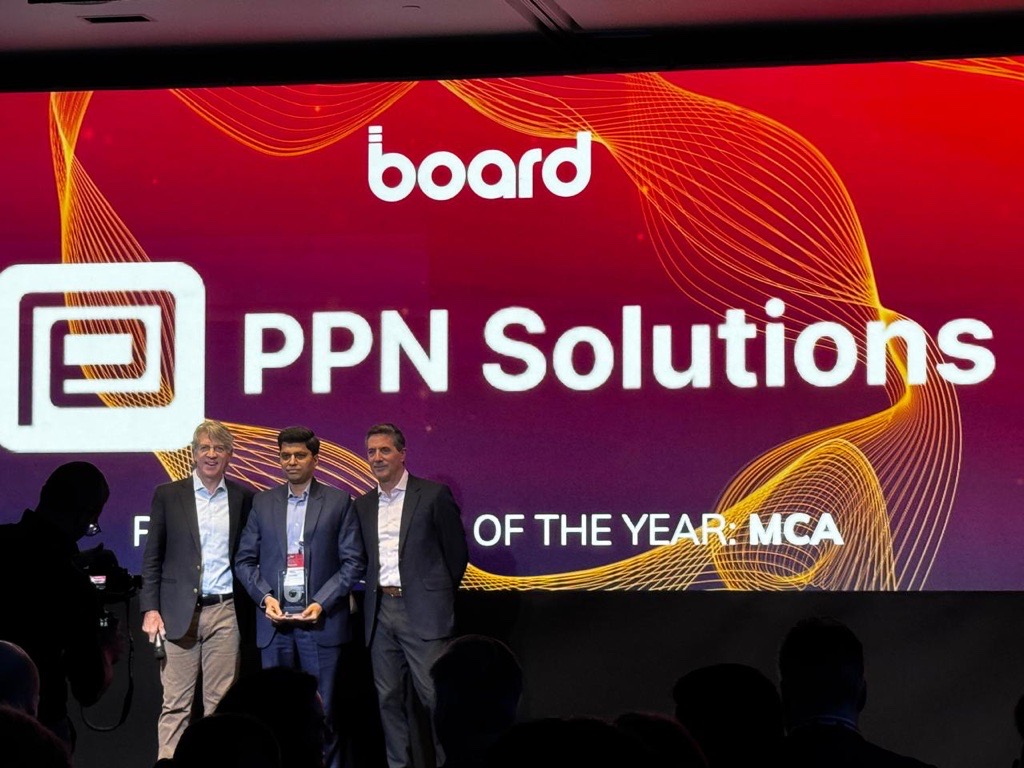
Awarded Best EPM Implementation Partner – MCA region at BOARD Global Partner Summit 2026
Didn’t find what you’re looking for? Let us know your needs, and we’ll tailor a solution just for you.



Intercompany reconciliation is a critical process in businesses that operate with multiple entities or subsidiaries. It ensures that financial transactions between these entities are accurate, consistent, and balanced. However, intercompany reconciliation errors are common and can lead to serious problems such as misstated financial reports, compliance issues, and even failed audits.
To maintain accurate financial records and ensure smooth operations, companies must adopt best practices to prevent these reconciliation errors. In this blog, we’ll explore what intercompany reconciliation errors are, their common causes, and most importantly, the best practices to prevent them.
Intercompany reconciliation is the process of matching and verifying financial transactions between two or more entities within the same organization. For example, if Company A sells products to Company B (both under the same parent group), both entities must record this transaction identically.
Discrepancies in these transactions can cause reconciliation errors, which in turn can affect consolidated financial statements and compliance with regulations such as IFRS or GAAP.
Before we dive into best practices, it’s helpful to understand the common causes of reconciliation errors:
Preventing intercompany reconciliation errors requires a combination of standardized processes, automation, and effective communication. Here are some best practices every organization should follow:
Create and enforce a standardized intercompany accounting policy across all entities. This should cover:
Having a consistent set of rules minimizes confusion and ensures everyone is on the same page.
Manual reconciliation using spreadsheets is time-consuming and prone to errors. Invest in accounting software or ERP systems that offer automated intercompany reconciliation features.
Automation helps:
Using different charts of accounts across entities can lead to mismatches. Implement a global or standardized chart of accounts that aligns account numbers and transaction types across all business units. This makes it easier to match transactions and identify errors quickly.
Integrate all entities under a single ERP system or connect their systems through centralized data management. This ensures that data flows seamlessly across departments and helps in real-time reporting and reconciliation.
A centralized system improves data visibility, reduces duplication, and enhances control over financial records.
Don’t wait until the end of the quarter or year to reconcile intercompany transactions. Make reconciliation a monthly or even weekly routine. Frequent reconciliation helps catch errors early and prevents them from piling up.
Proactive reconciliation also allows teams to resolve discrepancies before they become complex or audit issues.
Provide regular training for finance and accounting teams on intercompany processes, common pitfalls, and how to use reconciliation tools.
Educated employees are less likely to make mistakes and more likely to identify discrepancies early. Encourage cross-entity communication to solve issues collaboratively.
Implement internal controls and audits to regularly review intercompany transactions. Set up alerts for unusual or unmatched entries.
Auditing ensures compliance, promotes accountability, and helps identify process weaknesses that can be corrected.
For global businesses, timing and currency are common causes of reconciliation issues. To avoid this:
This practice ensures consistency and minimizes timing and currency mismatches.
Document each type of intercompany transaction with a written agreement that includes:
These agreements provide clarity and help resolve disputes quickly.
Finally, treat intercompany reconciliation as an ongoing process. Regularly review and update your procedures based on feedback, audit findings, or changes in business operations.
Use metrics to track performance and identify areas where errors frequently occur, then take corrective action.
Intercompany reconciliation errors can be a major challenge for multi-entity organizations. But with the right systems, clear policies, and regular oversight, these errors can be minimized — or even prevented entirely.
At PPN Solutions, we implement the best practices for intercompany reconciliation to ensure smoother reconciliation, greater financial accuracy, and better compliance with reporting standards.